
The Camino de Santiago is one of the oldest and most famous walking routes in Europe. Its historical purpose is to reach the Cathedral of Santiago de Compostela in Galicia (Spain), where the relics of the Apostle Saint James the Greater are said to be kept. This path, steeped in spirituality but also in history, nature, and encounters, is now traveled by thousands of walkers, whatever their personal journey may be (spiritual, introspective, or purely adventurous).
Why walk this path?
The pilgrimage is a unique personal experience. For some, it is a spiritual journey; for others, it is a physical challenge or a journey of reconnection with oneself, nature, and others. Along the way, you’ll meet pilgrims from all walks of life, united by values of sharing, simplicity, and freedom.
A network of historic routes
Contrary to popular belief, the Way of St. James is not a single route, but a vast network of itineraries crisscrossing Europe. In France, several routes head southwest before entering Spain:
- The Way of Tours (Via Turonensis) – starts in Paris, passes through Tours, and crosses France from north to southwest, passing through the Kiwi Valley.
- The Way of Le Puy (Via Podiensis) – connects Le Puy-en-Velay to Saint-Jean-Pied-de-Port.
- The Way of Arles (Via Tolosana) – starts in Arles and crosses southern France toward Spain.
- The Vézelay Route (Via Lemovicensis) – from Vézelay to Saint-Jean-Pied-de-Port.
Each of these routes offers a wide variety of landscapes, heritage sites, and atmospheres—from the volcanic plateaus of the Massif Central to the forests and regions of the southwest.
Focus on the Tours Route
The Via Turonensis, or Tours Route, is one of the four major pilgrimage routes in France, and the northernmost one. Starting at the Saint-Jacques Tower in Paris, it passes through the city of Tours, which was already a major destination for pilgrims associated with Saint Martin, the 4th-century evangelizer of Gaul. It passes through the Kiwi Valley and the village of Sorde l’Abbaye, where the abbey once welcomed pilgrims.
The route:
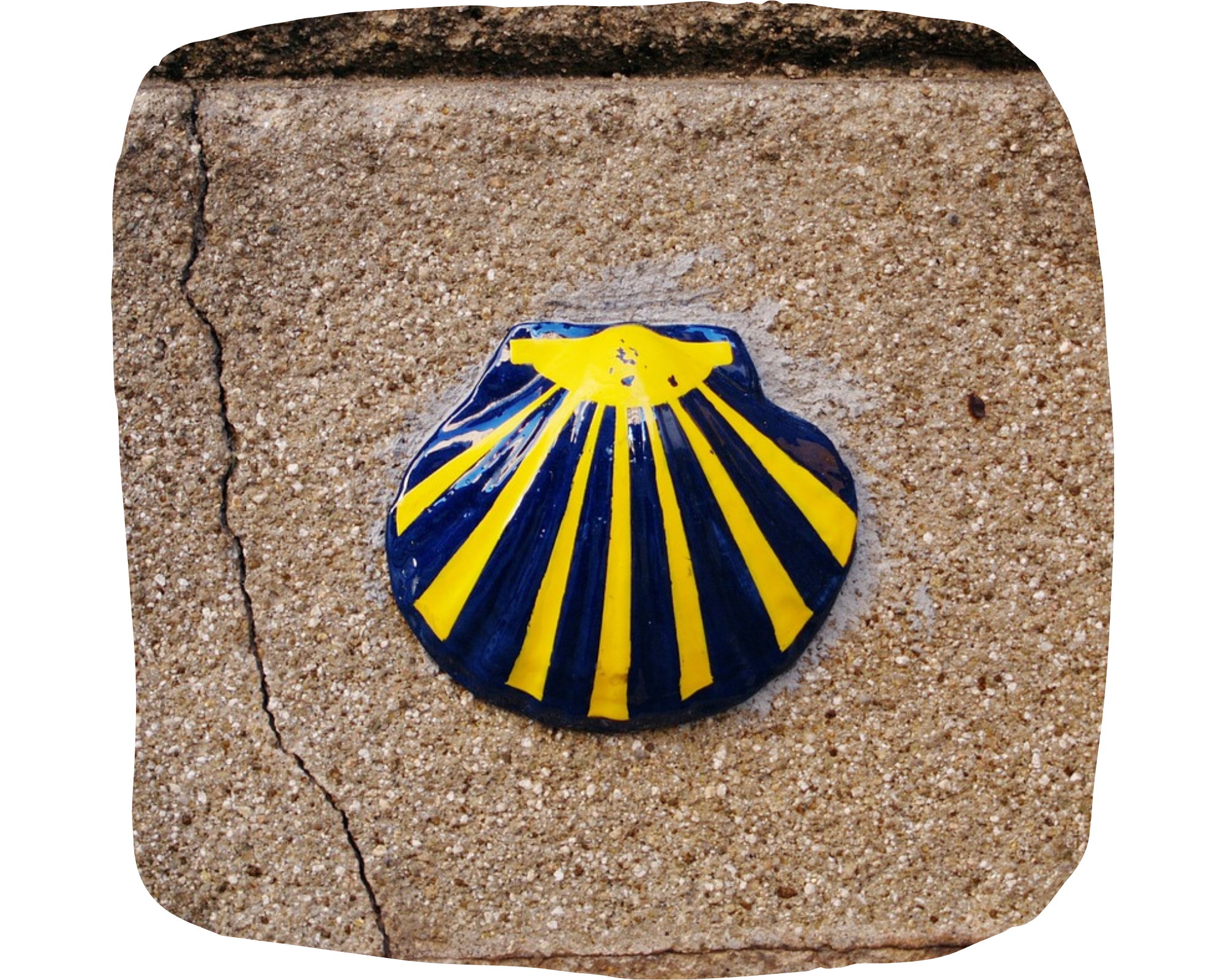
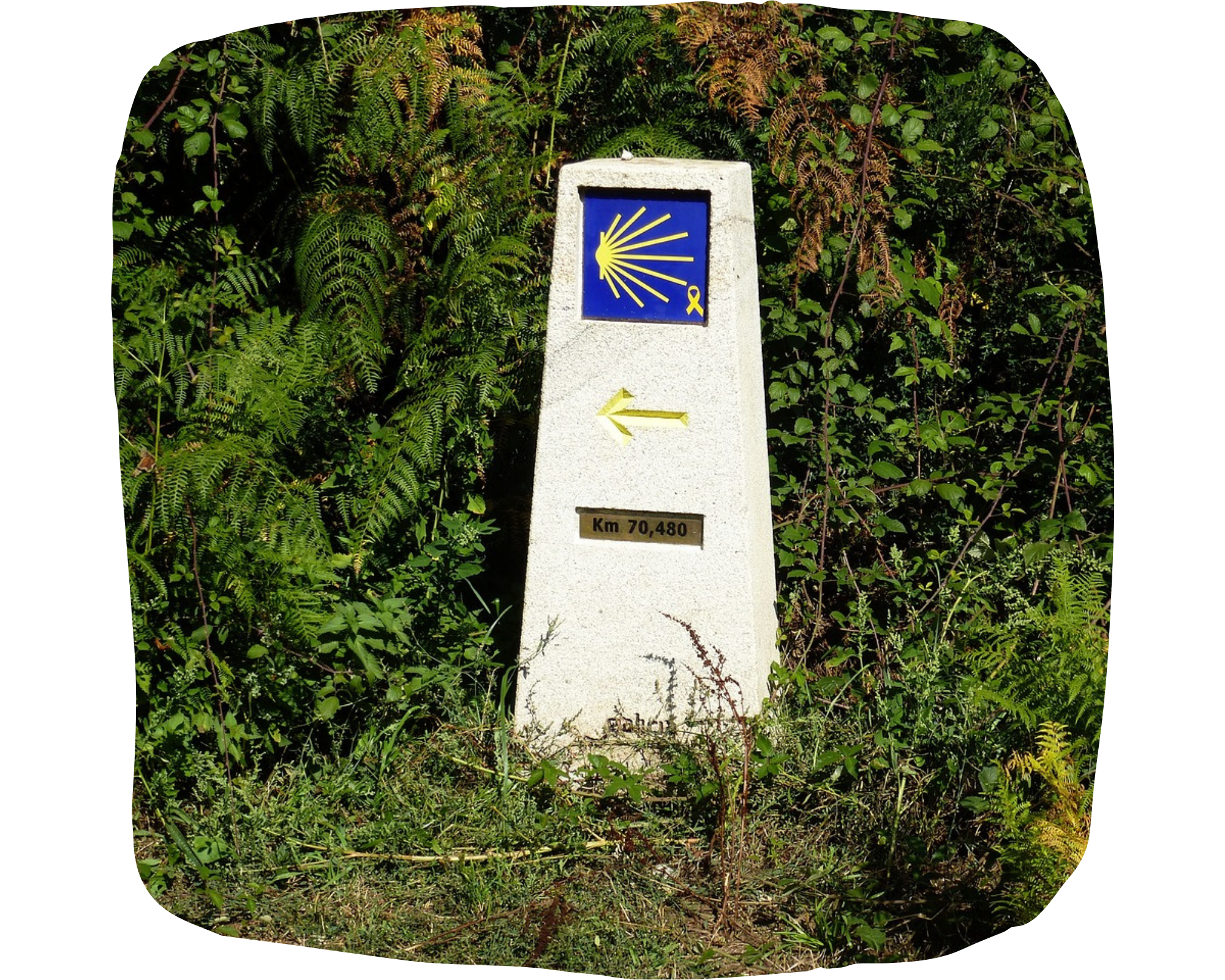
To help you find your way along the path, small blue and yellow markers bearing the shell symbol have been installed. You can also consult the step-by-step guide to the Landes section of the route (with mileage) below: Step-by-step guide to the Voie de Tours in the Landes.
Your Guide to the Kiwi Valley Route
Discover the Camino de Santiago with our interactive map. Follow the authentic route, explore the iconic stops, and find all the essential locations for your journey at a glance (lodging, shops, water and restroom facilities, healthcare services, picnic tables, and our nearby attractions along the route). An indispensable companion to help you plan your pilgrimage and guide you, mile by mile.
A special highlight of the route: Sorde Abbey, a remarkable stop where pilgrims were traditionally welcomed. Admission is free upon presentation of your pilgrim’s credential.
Welcoming pilgrims in the Kiwi Valley
In the Middle Ages, hospitality and almsgiving were part of the duty of charity. Religious and secular institutions invested in the development of places of welcome combining accommodation, the distribution of meals or food, and the care given to the sick or to tired or injured travellers: Hôtel-Dieu, hospitals, abbeys, etc.
Practical information
Where can I buy my credential?
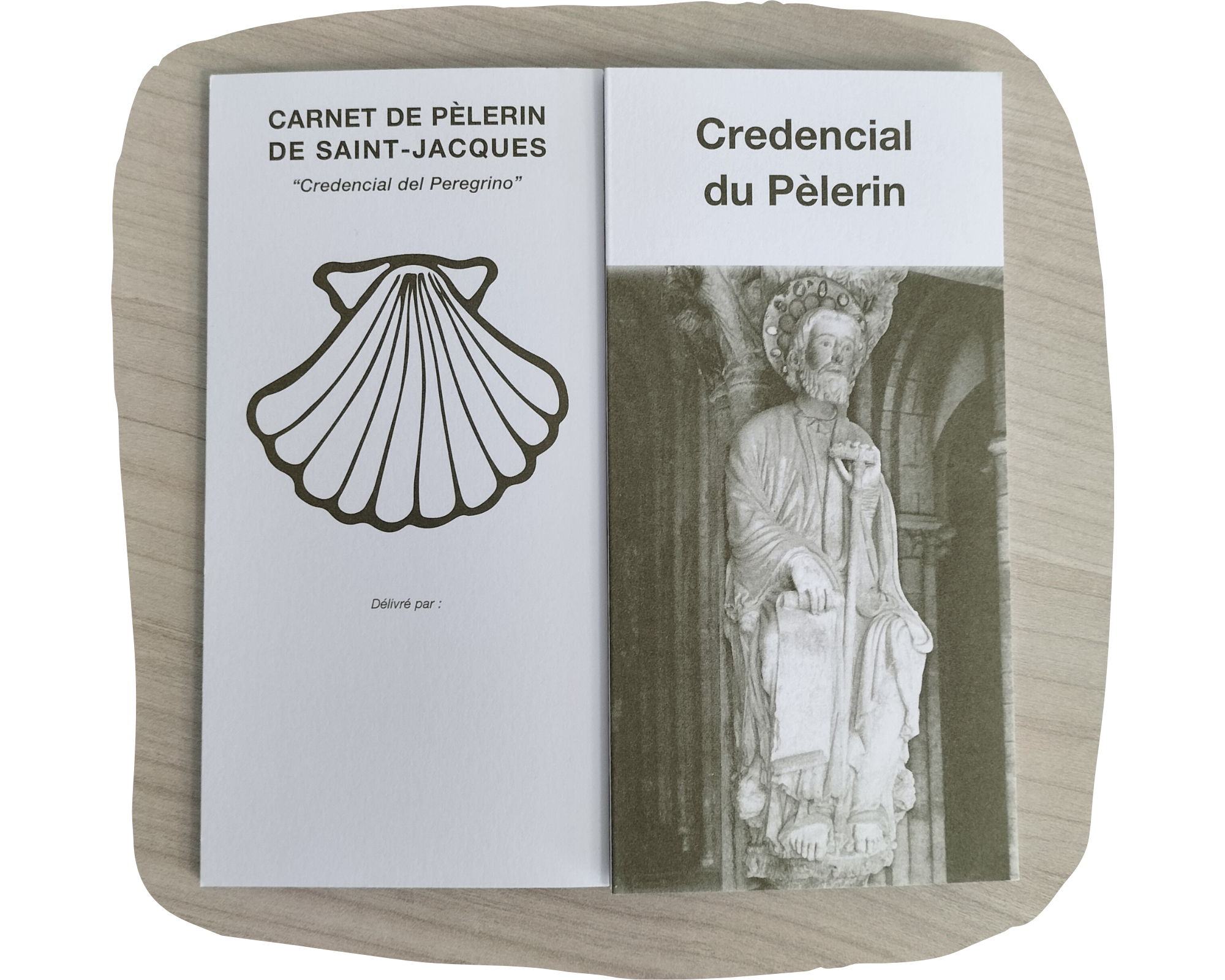
The credencial is a personal, nominative document that can be used from one year to the next, regardless of the route taken. The Kiwi Valley Tourist Office issues the model issued by the Fédération Française des Associations des Chemins de Saint-Jacques de Compostelle (Compostelle-France), which is valid in France and Spain.
Credential on sale at the Tourist Office Kiwi Valley, Peyrehorade office. Price: €15.
Where to stay?
Pilgrims, stop off at one of our gîtes or choose the comfort of a hotel room or bed and breakfast. See below for all our accommodation options:
Other useful links and guides :
Agence française des chemins de Compostelle - Tours route
Landes Society of Friends of Santiago and Compostellan Studies
Guide Miam Miam Voie de Paris/Tours (available in e-book version)
Saint-Jacques in videos :
Kilometre-art: The pilgrim in the Hastingues area
Presentation of the Tours Way Monasteries of medieval AquitaineShare